
It always seems to happen on the hottest afternoon of the year. The house feels a little sticky, then a lot sticky, then someone checks the thermostat and the system is blowing warm air or nothing at all. In Central Texas, a failed air conditioner is more than an inconvenience. It can be a health risk, and it can turn into a scramble for the first available technician.
A clear plan makes a big difference. This guide uses three circles of response: protect the people first, protect the room second, and protect the repair last. Whether you’re calling a company offering ac repair in Dripping Springs or handling a breakdown on your own for a few hours, working outward from the center keeps you calm and safe.
Circle One: The People
Before you think about equipment, think about everyone in the house.
The EPA’s page on extreme heat and indoor air quality is blunt about the stakes. When indoor temperatures rise, people can suffer potentially deadly illnesses, including heat exhaustion and heat stroke. It says to call 911 in case of heat-related illness.
Know who is at higher risk. The same page lists older adults (65 and over), infants and children, people with chronic conditions, people without air conditioning, outdoor workers, and athletes who train or compete outdoors. If anyone in your home fits those groups, treat the breakdown as urgent.
Have a place to go. The EPA suggests planning where to cool off, such as public cooling centers, malls and libraries. If the repair will take hours, moving vulnerable family members to an air-conditioned building is often the safest first move.
Respect the limits of fans. The EPA explains that portable fans don’t cool air. They move it and help sweat evaporate. It cautions against using fans in a closed room, and says that when room temperatures reach the mid-90s or higher, electric fans will not prevent heat-related illness.
Circle Two: The Room
If you can’t leave, shrink the problem to one room and make it as cool as you can.
- Pick the coolest room. Usually that is a ground-floor space with few windows.
- Block the sun. The EPA advises covering windows that get morning and afternoon sun. It says outdoor awnings and louvers reduce heat gain more than indoor shades.
- Follow the air rule. In general, if the air outside is hotter than the air inside, keep the windows closed. If it’s cooler, open shades and windows.
- Cut internal heat. Avoid the oven and dryer while the system is down.
- Drink water and wear light clothing.
A note on safety: if a power outage is part of the problem, never run a fuel-powered generator indoors. The EPA says to use generators outside and at least 20 feet from buildings, because the exhaust contains deadly carbon monoxide.
Circle Three: The System
Now look at the equipment, but only with safe, simple checks.
- Check the thermostat. Confirm it’s set to cool, lower than the room temperature, and has working batteries if it needs them.
- Look at the filter. A badly clogged filter can choke airflow. Replace it if it’s dirty.
- Check the breaker once. If it has tripped, reset it one time. If it trips again, stop and call.
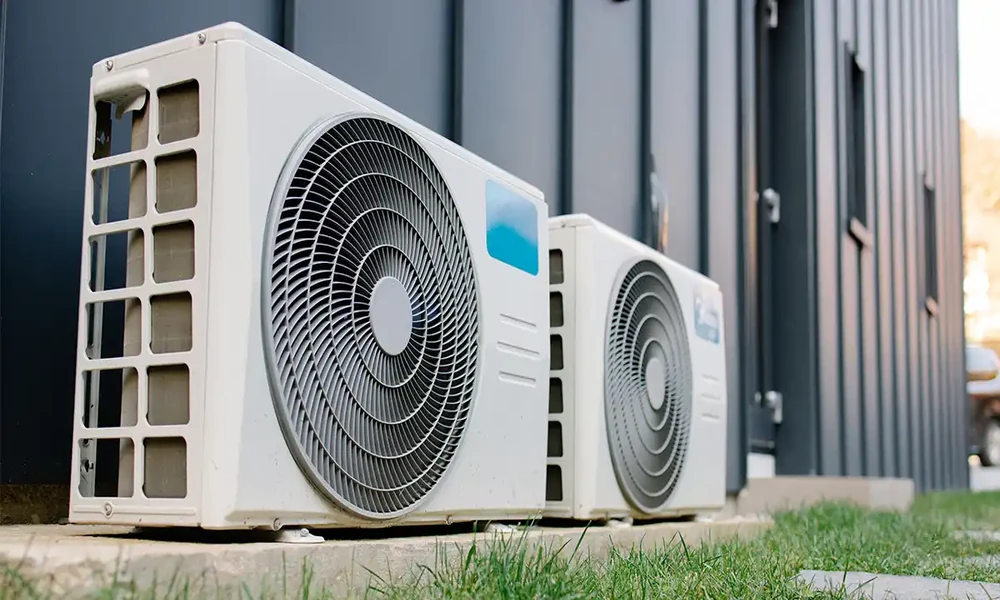
- Look at the outdoor unit. Make sure nothing is blocking it, and that leaves and debris haven’t piled up around it.
- Check for water. Pooling near the indoor unit can point to a drain problem.
What not to do: Don’t open electrical panels, don’t touch refrigerant lines, and don’t keep resetting breakers. The EPA’s advice to have air conditioners cleaned and serviced before heat arrives is a reminder that most failures are prevented by maintenance, not heroics.
The Call: A Script for the Dispatcher
A clear description saves time and often gets the right technician and parts to your door. Have this information ready:
- What happened first: “It stopped cooling this afternoon,” or “It made a loud noise, then shut off.”
- What it’s doing now: Is the indoor fan running? Is the outdoor unit running? Is warm air coming out?
- Anything you saw: Ice on lines, water, a burning smell, a tripped breaker.
- System details: Brand, approximate age, and whether it has been serviced recently.
- Who’s at home: Mention infants, older adults or anyone with health concerns, since that affects urgency.
Ask about timing, any after-hours fees, and the diagnostic fee up front so there are no surprises.
What to Expect From a Good Local Contractor
Air Comfort Systems, a family-owned, Bryant-authorized dealer serving Austin, Dripping Springs and the surrounding Hill Country, offers 24/7 emergency service. Its website notes that an after-hours fee applies, and that the diagnostic fee is credited toward a replacement if you decide to replace the system. It also lists special financing, with approved credit, for replacements and most repairs of $700 or more, plus a VIP Comfort Club maintenance plan that includes two seasonal tune-ups. The company’s Texas license number, TACLB67710E, is listed on its site, and licensing is regulated by the Texas Department of Licensing and Regulation.
You can reach the team at (512) 909-1235.
After the Repair: Make It the Last Emergency
Once the air is flowing, use the moment to prevent a repeat:
- Ask what failed and why, and whether it could have been caught earlier.
- Schedule maintenance before next summer, so cooling and heating components are checked before the heat arrives.
- Consider shading and attic improvements. The EPA notes that projects like air sealing and insulating the attic may reduce how much a home heats up during extreme heat.
- Keep a backup plan for vulnerable family members, including where to go if the next outage happens at night.
The Takeaway
When the air conditioner quits, don’t start with the thermostat. Start with the people, then the room, then the equipment. A calm, ordered response keeps everyone safe and gets the right help to your door faster.
