Trees are one of the best things about a home. They give shade, privacy, and beauty. But the same branches that look so lovely from the porch can quietly work against your roof, scraping shingles, dropping debris, and trapping moisture. At RainDance Roofing, the most common question after storms is not “Do I have damage?” but “Could this have been prevented?” Very often, the answer involves a tree that was growing closer to the roof than anyone realized. This guide uses a simple traffic-light system to help you decide which trees need attention now and which can wait.
Why Trees Near a Roof Deserve a Second Look
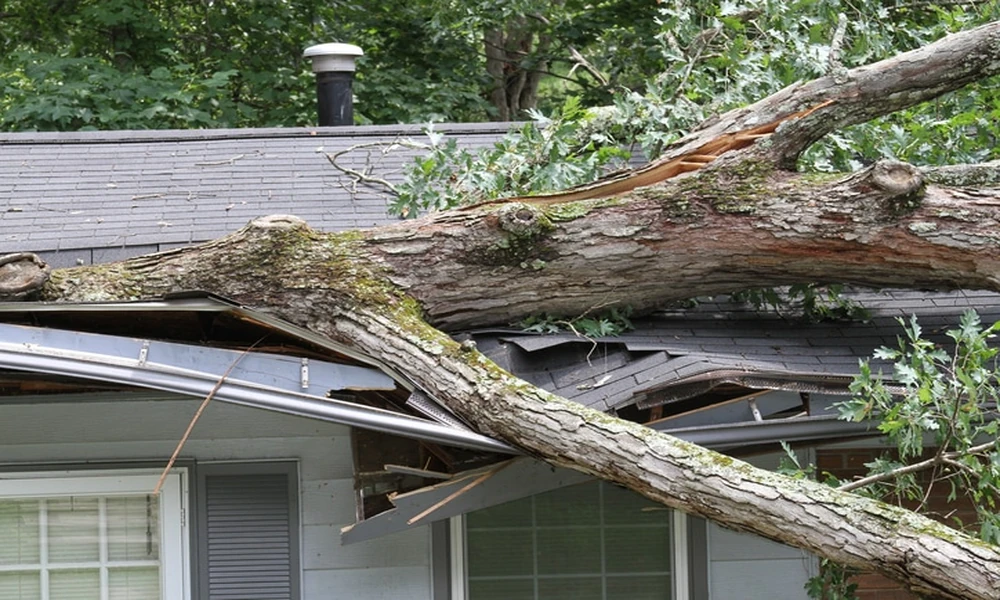
Most people know that dead limbs and weak trees are dangerous during storms. But the LSU AgCenter points out in its release on keeping trees and branches off roofs that even low-hanging branches can cause problems. They may not touch the roof in normal conditions, but in high winds trees bend and branches can flail around considerably, causing extensive damage to the roof.
The same source adds that wet vegetation holds moisture, so wet leaves that remain on the roof can cause problems, and that the goal is for branches to provide shade without being in contact with the roof. Those two ideas, wind and moisture, are the heart of this guide.
The Traffic Light System
Walk around your house and look at every tree within reach of the roof. Place each one into a color group.
Green Light: Monitor
A tree is in the green group when:
- No branches touch or hang over the roof
- There is a clear gap between the branches and the roofline
- The tree looks healthy, with full leaves in season and no dead limbs
- Gutters stay mostly clear
What to do: Check again each spring and fall. Trees grow, and today’s comfortable gap can close faster than you expect. Take a photo from the same spot each year so you can compare.
Yellow Light: Trim Soon
A tree is in the yellow group when:
- Branches hang over the roof but do not touch it
- Leaves and twigs collect on the roof or in valleys
- Gutters fill with debris every season
- Branches brush the siding or windows in the wind
- The roof under the tree stays damp, shaded, and slow to dry
What to do: Schedule pruning before the next major storm season. The LSU tree expert quoted in the release makes a simple point: branches never get higher, only bigger and heavier, so waiting makes the job harder and more expensive. A branch that is easy to trim today may need professional equipment in a few years.
While you wait, keep the roof and gutters clear of leaves and needles. Ask a roofer to check the shingles under the tree for wear or granule loss, since constant contact and trapped moisture can speed up aging.
Red Light: Call Now
A tree is in the red group when:
- Branches are resting on or scraping the roof
- Limbs are dead, cracked, or hanging by a thread
- The tree leans toward the house or has a split trunk
- Roots are lifting soil, or the ground around the tree has shifted
- Branches are close to or touching power lines
- You have already seen shingle damage, dents, or gouges below it
What to do: Do not wait for good weather or the next season. Contact a qualified, licensed tree-care professional and have a roofer inspect the roof where the tree has been making contact. If any part of the tree is near power lines, do not touch it. Contact your power company, which can often work with the tree service to make the area safe.
Can I Trim It Myself?
Sometimes, but be honest about the limits. The LSU AgCenter says homeowners can prune their own small trees, but for larger trees it recommends calling a licensed arborist, because tree parts are heavy and can do damage to people and property. It also offers practical safety advice: if you cannot reach a branch without a ladder, use an extension pole, and if you still cannot reach it, hire a professional. Its most memorable line is simple: never climb a ladder with a saw.
Reasonable for homeowners:
- Trimming small branches that are within reach from the ground
- Using a pole saw on thin limbs, away from roofs and power lines
- Clearing leaves and debris from the roof edge and gutters from a stable position
Better left to professionals:
- Any limb thick enough that it needs a chainsaw
- Branches over the roof, house, or driveway
- Work that requires a ladder, climbing, or ropes
- Trees near power lines
- Damaged, leaning, or decayed trees
- Removal of entire trees
What Debris Does to a Roof
Even a healthy tree can cause roof trouble through leaves, needles, and seeds:
- Valleys and edges: Debris collects where water flows, slowing drainage and holding moisture against shingles.
- Gutters: Clogged gutters overflow, soaking fascia, soffits, and siding.
- Moisture and growth: Constant dampness encourages moss and algae growth in shaded areas.
- Pests: Branches that touch the roof can give animals an easy path to rooflines and attics.
A quick fall and spring cleanup, plus a trimmed canopy, goes a long way toward preventing all of these.
After a Storm: What to Check
When severe weather passes and it is safe to go outside:
- Stay away from downed power lines and anything touching them.
- Look at trees from a safe distance for hanging or broken limbs.
- Walk around the roof from the ground, using binoculars if needed, to look for dents, gouges, missing shingles, or debris.
- Photograph any damage before moving anything.
- Check the attic and ceilings for new stains or drips.
- Call a roofer and a licensed tree professional if you see damage.
Questions to Ask a Tree Professional
- Are you licensed and insured for tree work?
- Can you assess whether this tree is a risk, or just needs pruning?
- How will you protect my roof and landscaping during the work?
- What will you remove, and what will you leave?
- Will you haul away the debris?
Questions to Ask a Roofer After Tree Contact
- Is there damage under or around the area where branches touched?
- Are there signs of granule loss, scuffing, or cracks?
- How do the gutters and valleys look?
- Is the attic showing any moisture?
- Should I schedule a regular inspection for this part of the roof?
A Simple Yearly Routine
- Early spring: Inspect trees for winter damage and prune before leaves fill in.
- Late spring: Clean gutters and check the roof for debris.
- Summer: Watch for fast-growing branches approaching the roofline.
- Fall: Clear leaves, and clean gutters again after most leaves drop.
- Before storm season: Do one more walk-around and trim any problem branches.
- After major storms: Check trees and roof from the ground.
Final Thoughts
Trees and roofs can live together happily, but only when there is some space between them. Sort your trees into green, yellow, and red, deal with the red ones first, and keep up with a light routine for the rest. A little attention each season keeps shade where you want it, and keeps branches, debris, and moisture off your shingles.