
A modular kitchen is built from pre-manufactured cabinet units in standardized sizes that get assembled and installed on-site, rather than built from scratch by a carpenter. Costs typically range from $8,000 to $25,000 for a mid-size kitchen, depending on materials, hardware, and finish level, making it generally more affordable and faster to install than a fully custom kitchen.
Modular kitchens have grown popular because they combine reasonable cost with flexible design, letting homeowners mix and match cabinet modules to fit their specific layout without waiting months for custom carpentry.
Because the manufacturing happens off-site in a factory setting, quality control also tends to be more consistent than on-site custom carpentry, where results can vary more depending on the individual craftsman’s skill and the conditions on any given day.
What Is a Modular Kitchen?
Modular kitchens use factory-made cabinet boxes, drawers, and shelving units in standard sizes that are then combined and installed to fit your kitchen’s dimensions. Because the components are manufactured in bulk rather than custom-built, they cost less and install faster than fully custom cabinetry, typically within one to three weeks compared to six to twelve weeks for custom work.
Modular Kitchen Cost Breakdown
Budget-tier modular kitchens, using laminate finishes and basic hardware, typically run $8,000 to $14,000 for a standard-size kitchen. Mid-range options with better laminate or acrylic finishes and soft-close hardware fall between $14,000 and $22,000. High-end modular kitchens with premium finishes like high-gloss lacquer, integrated appliances, and upgraded hardware can reach $25,000 to $40,000 or more.
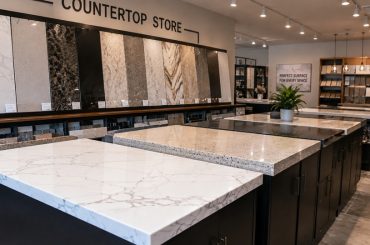
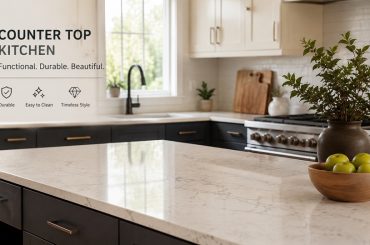
Additional costs to budget for include countertops (often priced separately, ranging from $40 to $150 per square foot depending on material), a backsplash, and appliance integration if you’re installing built-in units.
Labor for installation typically adds another 10 to 20 percent on top of the cabinet cost itself, though this varies based on your region and whether existing plumbing or electrical needs to be modified to accommodate the new layout. Getting a full quote that separates cabinet cost, countertop cost, and installation labor helps avoid surprises partway through the project.
Modular vs. Custom Kitchen: Which Is Right for You?
Modular kitchens make sense when your kitchen’s dimensions are relatively standard, your timeline is tighter, and budget is a bigger factor than having every detail custom-fabricated. Custom kitchens make more sense for irregular layouts, unusual ceiling heights, or homeowners who want fully bespoke storage solutions and finishes that modular systems don’t offer.
The main tradeoff is flexibility versus cost and speed: custom kitchens can be designed around any layout quirk, but typically cost 30 to 60 percent more and take significantly longer to complete.
Can Modular Kitchens Be Customized?
Yes, to a degree. While the base cabinet units are standardized, most modular systems offer a range of finishes, hardware, and configurations, letting you build a layout that feels tailored even though it’s assembled from pre-made components.
How Long Does Modular Kitchen Installation Take?
Most modular kitchen installations take one to three weeks from delivery to completion, assuming the space is already prepped with electrical and plumbing in place. This is significantly faster than custom cabinetry, which often requires longer lead times for fabrication.
Layout Ideas for Small and Large Kitchens
In small kitchens, an L-shaped or single-wall modular layout maximizes counter space while keeping walkways clear. Tall pull-out pantry units are especially useful in tight kitchens since they add significant storage without expanding the footprint.
In larger kitchens, a U-shaped or island layout works well with modular systems, since additional cabinet runs can be added modularly without redesigning the entire kitchen. An island module also creates a natural gathering spot and extra prep space.
Corner cabinet solutions are worth planning carefully in any modular layout, since standard corner units can waste usable storage space if not specified correctly. Lazy Susan inserts or diagonal corner units help reclaim this space, and most modular systems offer both as configurable options during the design stage.
Materials to Consider for Modular Kitchen Cabinets
Laminate finishes are the most budget-friendly and come in a wide range of colors and textures, though they can show wear over time in high-use kitchens. Acrylic finishes offer a glossier, more durable surface at a moderate price increase. High-gloss lacquer and PU (polyurethane) finishes sit at the premium end, offering a sleek look but requiring more careful maintenance to avoid scratches.
For countertops, quartz remains a popular pairing with modular cabinets due to its durability and low maintenance, while laminate countertops offer a budget-friendly alternative that still looks polished.
Hardware and hinges deserve attention too, even though they’re a smaller line item. Soft-close hinges and drawer slides cost more upfront but significantly reduce wear on cabinet doors and drawers over years of daily use, which matters more in a kitchen — one of the most frequently used spaces in the home — than almost anywhere else.
Recommendations Based on Your Priorities
If budget and speed are your top priorities, choose a laminate-finish modular kitchen with a straightforward L-shaped or single-wall layout. If you want a balance of durability and style, acrylic finishes with soft-close hardware offer good mid-range value. If you’re renovating a larger kitchen and want a design that feels custom without the full custom price tag, a modular island layout with mixed finishes (like a contrasting island color) delivers a high-end look at a moderate cost increase.
Whichever tier you choose, ordering a physical sample of your chosen finish before committing to the full order is worth the small delay. Finishes can look noticeably different under your kitchen’s actual lighting compared to a showroom or online photo, and a sample lets you confirm the color and texture before a large order is placed.
Frequently Asked Questions
Are modular kitchens durable?
Yes, when built with quality materials and hardware. Soft-close hinges and moisture-resistant board materials significantly extend the lifespan of modular cabinets, often lasting 15 to 20 years with proper care.
Can I install a modular kitchen myself?
Basic assembly is sometimes DIY-friendly, but professional installation is recommended to ensure cabinets are properly leveled, secured, and aligned with plumbing and electrical.
Do modular kitchens include appliances?
Not typically — appliances are usually priced and purchased separately, though the cabinet layout can be designed to integrate built-in appliances like ovens, cooktops, or dishwashers.