
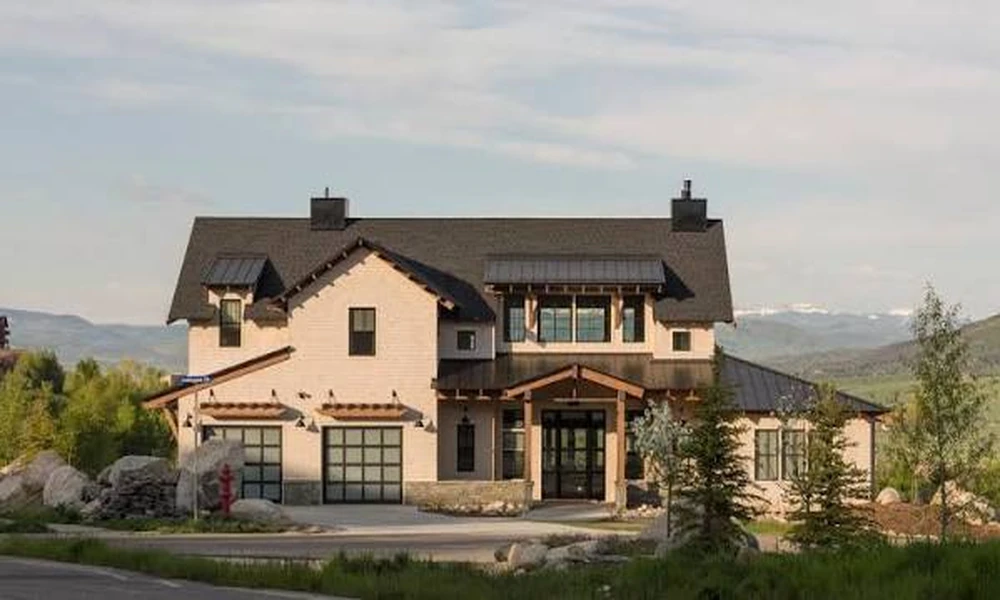
Buying a newly built home can be an exciting step toward homeownership. Modern layouts, fresh finishes, updated building systems, and the opportunity to move into a property without undertaking major renovations can make new construction attractive. One option worth considering is a spec home, a property built by a builder or developer before a specific buyer commits to purchasing it.
Spec homes are designed around anticipated market demand rather than one customer’s individual requirements. This approach can offer convenience, but buyers should still evaluate the property’s condition, location, price, and long-term suitability before making a decision.
Understand What a Spec Home Offers
A spec home, short for speculative home, is constructed with the expectation that a buyer will purchase it once it is completed or sufficiently advanced. The builder generally selects the floor plan, materials, fixtures, and finishes based on local market research.
Because many decisions have already been made, buyers may be able to inspect the actual home instead of choosing every detail from architectural plans. This can simplify the purchasing process, especially for people who want a new property but do not want to manage a custom construction project.
However, personalization may be limited. If the home is almost complete, changing the kitchen layout, flooring, bathroom fixtures, or room configuration may not be practical. Buyers should determine which features are included and whether any changes are possible before signing a contract.
Evaluate the Location Carefully
The location of a spec home can influence daily convenience, property value, and future resale opportunities. Buyers should consider commute times, schools, shopping areas, healthcare facilities, public transportation, parks, and access to major roads.
It is also useful to visit the neighborhood at different times of day. Traffic, noise, parking, nearby construction, and general activity may vary between morning, afternoon, and evening.
Researching nearby properties can provide context for the asking price. Compare similar homes in terms of size, condition, age, features, and location. A newly built property should not automatically be considered a good value simply because everything inside is new.
Review the Complete Purchase Cost
The advertised price is only one part of the financial decision. Buyers should prepare a budget that includes the down payment, closing costs, property taxes, insurance, utilities, and expected maintenance.
Ask the builder for a written list of included features. Marketing photographs may show upgraded appliances, landscaping, lighting, window treatments, or other items that are not part of the standard package.
Buyers should also consider the costs of furnishing the home and making any desired changes after moving in. Understanding the full financial commitment helps prevent unpleasant surprises.
If financing is required, compare mortgage options and confirm affordability before making a binding commitment. The monthly payment should fit comfortably within the household budget, including other living expenses and emergency savings.
Inspect the Property Before Closing
New construction does not guarantee that a home is free from defects. Construction mistakes, incomplete work, damaged materials, or problems with building systems can occur even in recently completed properties.
An independent home inspection can help identify concerns involving the roof, foundation, drainage, plumbing, electrical systems, ventilation, windows, doors, and interior finishes. Buyers should ask whether the builder permits inspections before closing and how identified issues will be addressed.
If construction is ongoing, additional inspections may be appropriate at relevant stages. Buyers should keep records of inspection reports, repair requests, warranties, and communications with the builder.
A professional inspection does not replace the need to review required permits and documentation, but it can provide useful information before a major financial commitment.
Understand Warranties and Builder Reputation
Before purchasing, research the builder’s experience and reputation. Look for information about completed projects, construction quality, communication, and how previous customers’ concerns were handled.
Ask for written details about any warranty provided with the property. Coverage may differ for workmanship, building systems, structural components, and appliances. Buyers should understand the duration of coverage, exclusions, claim procedures, and deadlines for reporting defects.
It is also important to clarify who will be responsible for correcting incomplete work or damage discovered before closing. Verbal assurances should not replace written agreements.
Check the Contract and Completion Details
The purchase agreement should clearly describe the property, purchase price, included features, closing conditions, and responsibilities of both parties. Buyers should review provisions related to completion dates, delays, deposits, inspections, repairs, and changes to the specifications.
If the home is not yet finished, ask what happens if materials become unavailable or construction takes longer than expected. The agreement should explain the process for documenting changes and resolving disagreements.
A qualified real estate attorney or other appropriate professional can help review contractual obligations and explain terms that are unclear. Requirements vary by location, so buyers should obtain advice suited to the relevant jurisdiction.
Consider Financing and Market Conditions
Builders need capital to develop properties before a buyer commits, and their financing arrangements can affect project timing. Buyers do not need to manage the builder’s financing, but they should understand whether the property is complete, whether required approvals are in place, and whether any conditions could affect closing.
Builders evaluating builder loans can explore financing resources relevant to residential construction projects. The builder’s financing arrangements are separate from the buyer’s mortgage, so purchasers should independently confirm their own financing and contractual requirements.
Buyers should also compare the property with local market conditions. Consider similar homes for sale, recent transactions, available inventory, and the affordability of the purchase. A newly built home may provide excellent convenience, but future appreciation is never guaranteed.
Conclusion
Buying a newly built spec home can provide a convenient path to a modern property, particularly for people who prefer an established design over a fully customized building process. However, buyers should not let attractive finishes or the appeal of new construction replace careful evaluation.
Research the location, compare prices, confirm included features, arrange an independent inspection, review warranties, and understand the purchase agreement. A realistic financial plan is equally important. By completing these steps, buyers can make a better-informed decision and choose a spec home that fits their needs, budget, and long-term plans. Resources from builderfinance.com can also help readers understand the financing side of residential development.