
Many people associate asbestos with mesothelioma, but asbestos exposure is also linked to lung cancer. Public health agencies classify asbestos as a known human carcinogen, and lung cancer is one of the most common serious diseases connected to it. For homeowners and renters living in older buildings, the question is not only whether asbestos is present, but whether it has been disturbed in a way that could release fibers into the air.
This article explains how asbestos in a home may contribute to lung cancer risk, what factors influence that risk, and what residents can do to limit exposure.
How asbestos ends up in residential buildings
For much of the twentieth century, asbestos was valued for its heat resistance, strength, and low cost. It was added to a wide range of construction products, many of which remain in homes and apartment buildings today.
Common materials in older homes
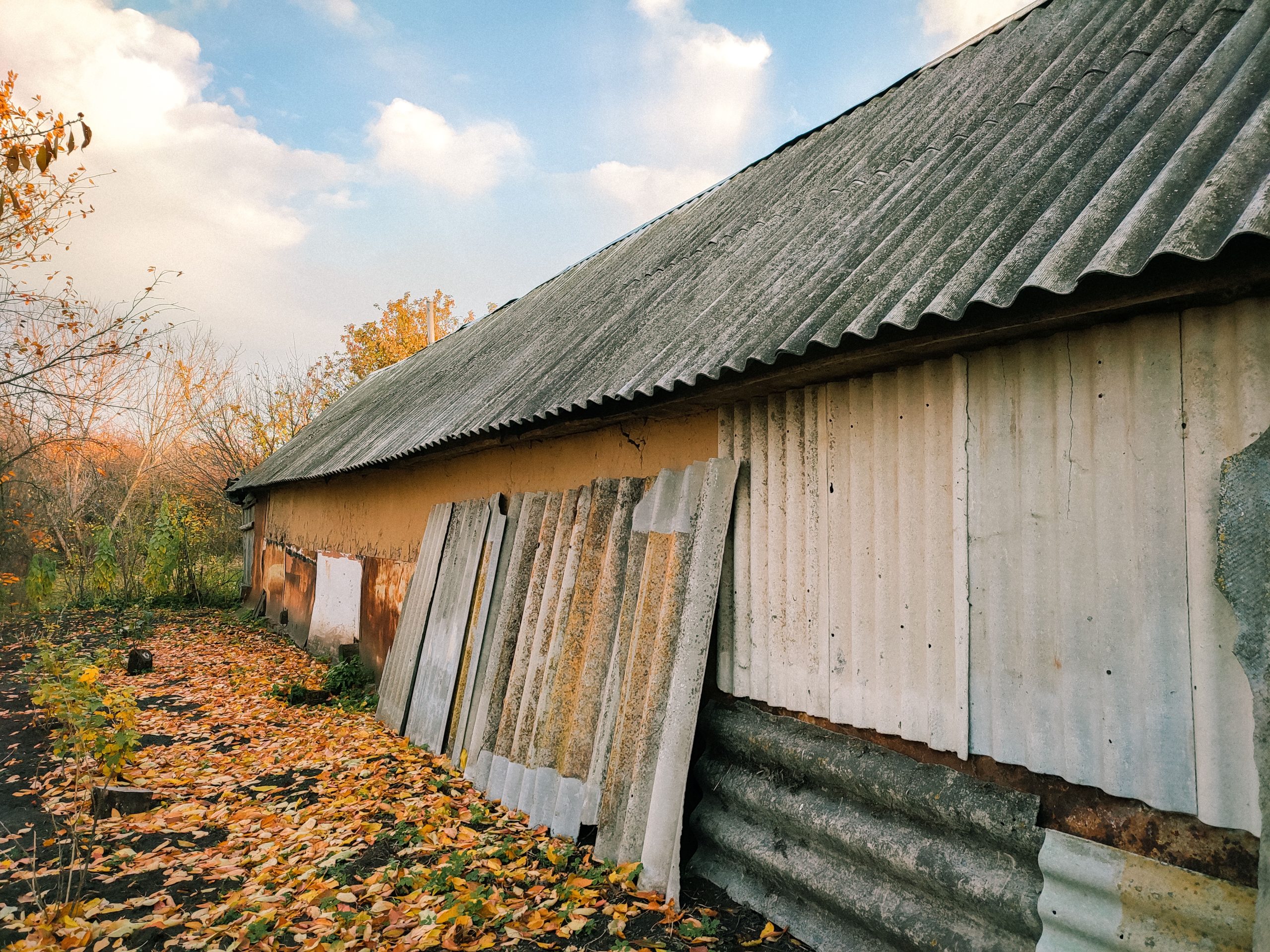
Depending on when a building was constructed or renovated, asbestos may be found in pipe and boiler insulation, vinyl floor tiles and the adhesive beneath them, textured ceilings, joint compound, roofing, siding, and some types of vermiculite attic insulation. These materials often look ordinary, and only laboratory testing can confirm whether a sample contains asbestos.
Why intact material is treated differently
Asbestos-containing material that is in good condition and left alone generally releases few fibers. Health concerns rise when the material is damaged, crumbling, or disturbed by cutting, sanding, drilling, or demolition. For that reason, the condition of the material and the activities happening around it matter as much as its presence.
Apartments and shared buildings
In multi-unit buildings, residents may not control the materials in common areas, mechanical rooms, or neighboring units. Work performed elsewhere in the building, such as boiler repairs or a unit renovation, can potentially release fibers that travel through hallways or ventilation systems if proper controls are not used. Tenants who have concerns can ask building management whether an asbestos survey has been completed and how maintenance work is handled.
How inhaled asbestos fibers affect the lungs
Asbestos fibers are microscopic and can stay suspended in indoor air for long periods once released. When a person breathes them in, some fibers travel deep into the lungs, where the body has difficulty clearing them.
Fiber retention and lung tissue damage
Fibers that lodge in lung tissue can cause ongoing irritation and inflammation. Over many years, this persistent injury is believed to contribute to cellular changes that may lead to cancer. Researchers also study how fibers may interfere with normal cell division and repair processes.
Lung cancer compared with mesothelioma
Mesothelioma develops in the thin lining around the lungs or other organs. Lung cancer, by contrast, begins within the lung tissue itself. Both can be associated with asbestos exposure, but they are distinct diseases with different patterns, diagnostic approaches, and treatment considerations.
Factors that influence lung cancer risk
Not everyone exposed to asbestos develops lung cancer. Risk depends on several overlapping factors, and an individual outcome cannot be predicted from exposure alone.
Amount, duration, and frequency of exposure
In general, risk is associated with how much asbestos a person inhaled and over how long a period. Repeated exposure during renovation projects, maintenance work, or living near deteriorating materials may carry more concern than a single brief event, although no level of exposure is considered completely safe.
Smoking and other lung hazards
Smoking is the leading cause of lung cancer on its own, and studies have found that the combination of smoking and asbestos exposure raises lung cancer risk far more than either factor alone. Exposure to radon, another indoor hazard found in some homes, is also an established lung cancer risk factor.
Time since exposure
Asbestos-related lung cancer usually appears many years after exposure began, often two decades or more. This long delay means that exposure in a childhood home or during an earlier renovation may be relevant to a diagnosis much later in life.
Signs to discuss with a healthcare provider
Lung cancer may not cause noticeable symptoms in its early stages. When symptoms appear, they can resemble those of many other conditions.
Symptoms that deserve attention
A cough that does not go away, coughing up blood, chest pain, shortness of breath, hoarseness, unexplained weight loss, or frequent respiratory infections are reasons to contact a healthcare provider. These symptoms do not confirm cancer, but they warrant evaluation.
Sharing your exposure history
Telling a provider about past asbestos exposure, including the type of building, the materials involved, and any renovation work, can help guide decisions about testing. Information about smoking history and radon exposure is also useful for an accurate risk assessment. Some people find it helpful to write down a timeline of the homes they have lived in and any major projects completed there.
Reducing exposure in your home
The most effective step is preventing fibers from becoming airborne in the first place. Residents can take practical precautions without attempting to handle suspect materials themselves.
Leave suspect materials undisturbed
If you suspect a material contains asbestos, avoid cutting, sanding, scraping, or drilling it. Keep children and pets away from damaged areas, and avoid sweeping or vacuuming debris with ordinary household equipment, which can spread fibers.
Rely on qualified professionals
Before renovation, a licensed asbestos inspector can collect samples for laboratory analysis. If removal or repair is needed, trained abatement contractors use containment, specialized filtration, and protective equipment designed to limit the release of fibers. Local and state rules may also apply to how this work is performed.
Monitor older materials over time
Materials that are intact today can deteriorate as a building ages. Periodically checking for cracking, water damage, or crumbling in areas where asbestos may be present allows homeowners and building managers to respond before small problems become larger exposure risks.