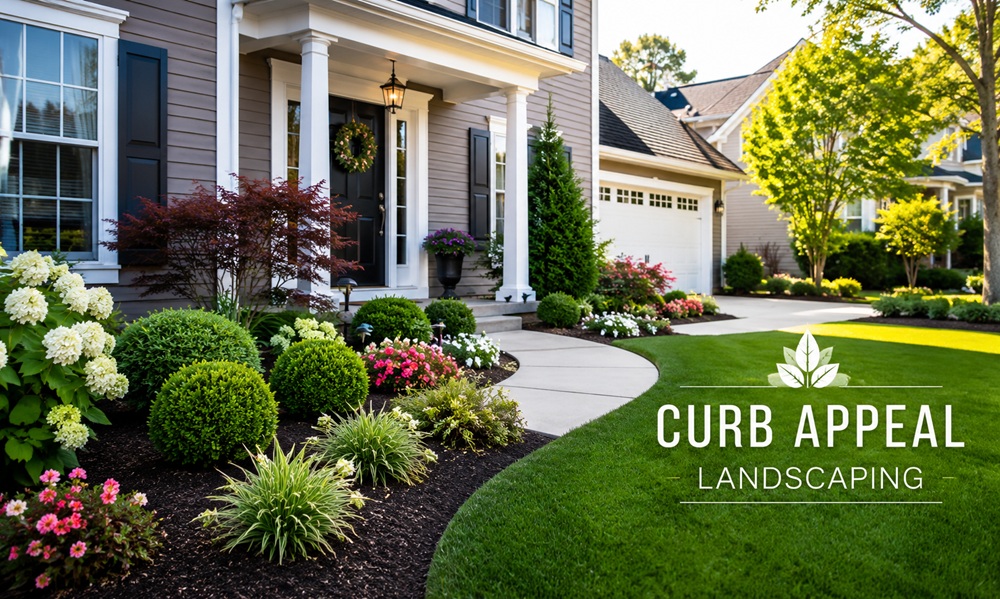
Curb appeal landscaping means shaping the front of your property, lawn edges, walkways, and foundation plantings, so the home looks cared for from the street. Real estate agents across the US consistently point to landscaping as one of the highest-return improvements a homeowner can make before selling, often recovering more of its cost than interior upgrades like new countertops.
This guide covers practical, achievable landscaping moves rather than a full yard overhaul, since most homeowners get meaningful results from a handful of targeted changes made over a weekend or two.
Where to Start: A Simple Front Yard Audit
Walk to the curb and look at your home the way a buyer or visitor would. Note overgrown shrubs blocking windows, bare patches in the lawn, an unedged walkway, or mulch beds that haven’t been refreshed in a while. This quick audit usually reveals two or three fixes that will make the biggest visual difference, rather than requiring you to redo everything at once.
It helps to take a few photos during this walk-through and look at them later, away from the property. Seeing the yard in a photo, rather than standing in it, often makes overgrown or unbalanced areas much more obvious than they seem in person.
Low Maintenance vs High Maintenance Options
Low maintenance choices include native perennials, mulch beds, and evergreen shrubs that hold their shape with minimal pruning. These are a good fit for homeowners who want lasting curb appeal without a weekly time commitment, and native plants in particular tend to need less water once established, which also helps with long-term costs.
High maintenance options, like seasonal annual flower beds, manicured hedges, or a formal rose garden, create a more polished, high-end look but require regular watering, pruning, and replanting. Many homeowners land somewhere in between: a low-maintenance base layer of shrubs and perennials, with a small annual flower bed near the entrance for seasonal color that gets refreshed a couple of times a year.
Expert Advice: Where to Focus Your Budget
Foundation plantings along the front of the house have an outsized impact because they frame the entire structure. Choosing shrubs that won’t outgrow the space in a few years saves money on future removal and keeps windows from getting blocked, which is a common and costly mistake homeowners make when planting too aggressively near the house.
A clearly defined walkway, even a simple gravel or paver path edged with brick or steel edging, adds structure that a plain patch of grass to the front door doesn’t provide. Fresh mulch alone, refreshed once or twice a year, is one of the lowest-cost updates with one of the highest visual payoffs, since it makes every planting bed look intentional and well maintained even if the plants themselves are still filling in.
Curb Appeal Landscaping Ideas to Try This Season
- Edge the lawn along walkways and driveways for a crisp, defined line
- Add layered plantings (tall shrubs in back, mid-height in the middle, low groundcover in front)
- Refresh mulch in garden beds for instant visual polish
- Add solar or low-voltage path lighting along walkways
- Plant a small tree or ornamental grass near the entrance for vertical interest
- Repaint or replace a faded mailbox and address numbers
Tackling even three or four items from this list over a weekend can visibly change how the whole property reads from the street, without requiring a full landscaping crew or a large budget.
Outdoor lighting deserves special attention, since many homeowners focus entirely on daytime appearance and forget that a home is viewed after dark just as often. Even a modest set of solar path lights or an uplight aimed at a mature tree adds dimension and warmth once the sun goes down.
Seasonal Considerations for US Homeowners
Spring and fall are the best planting windows across most of the US, since temperatures are mild enough for root establishment without the stress of summer heat or winter frost. Planting during these windows gives new shrubs and perennials a better chance of surviving their first extreme season once they’re established.
If you’re in a warmer climate like the Southeast or Southwest, drought-tolerant plants reduce both water bills and maintenance time during peak summer months. In colder Northern states, choosing hardy, cold-tolerant varieties matters more than aesthetics alone, since a plant that looks great in a nursery photo but isn’t rated for your winter zone won’t survive long enough to pay off the investment.
Frequently Asked Questions
Does landscaping really increase home value?
Yes, well-maintained landscaping is regularly cited as one of the improvements with the strongest return relative to cost, particularly for the first impression it creates before a buyer even walks inside. Real estate professionals often note that poor curb appeal can cause a buyer to form a negative opinion before seeing anything else about the home.
How often should mulch be replaced?
Most mulch benefits from a refresh once a year, though high-traffic or sun-exposed beds may need it twice for the color and texture to stay looking fresh, since sun exposure fades mulch color faster than shaded areas.